


Forex Broker Scams: Blacklist & Warning Signs 2026
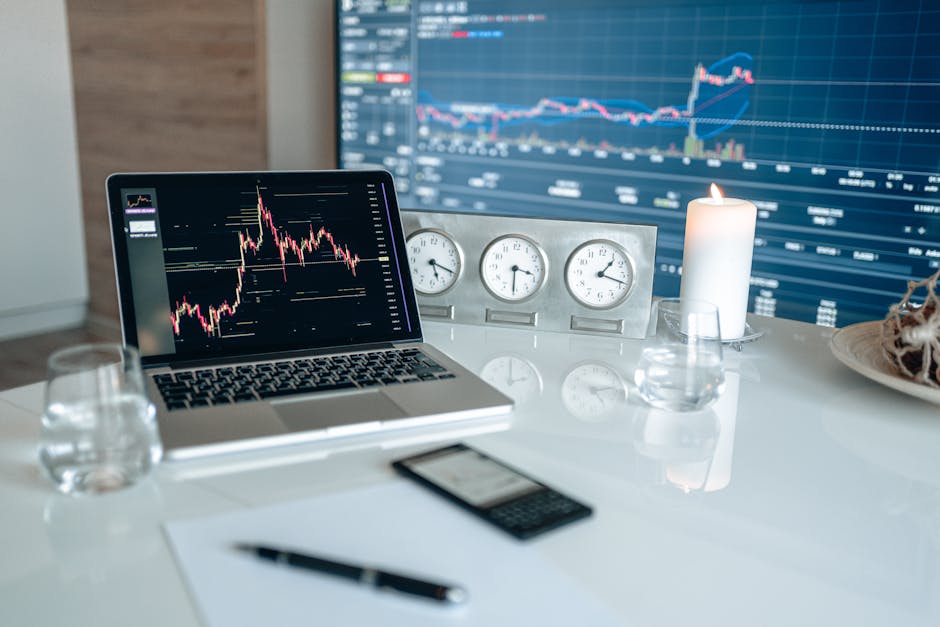
The foreign exchange (Forex) market is the largest financial market in the world, with daily trading volumes exceeding $7 trillion. With such massive opportunity comes equally massive risk—and unfortunately, scams. Every year, thousands of traders lose their hard-earned money to fraudulent Forex brokers. In 2026, scam tactics have become more sophisticated, making it crucial for traders to stay informed and vigilant.
This comprehensive guide will help you identify forex broker scams, recognize red flags, and verify broker legitimacy before risking your capital.
Understanding Forex Broker Scams
A Forex broker scam occurs when a brokerage firm engages in fraudulent practices to steal trader funds or manipulate trading conditions against their clients. These scams can take many forms, from outright theft to more subtle manipulation of trading platforms.
According to recent data from regulatory bodies worldwide, Forex-related fraud accounts for billions of dollars in losses annually. The rise of online trading has made it easier for scam brokers to target unsuspecting traders, particularly beginners who may not know how to distinguish legitimate brokers from fraudulent ones.
Why Forex Scams Are Prevalent
The Forex market attracts millions of traders because of its accessibility and the potential for high returns. However, this very appeal makes it a prime target for scammers who prey on:
- New traders who lack experience and may not recognize warning signs
- Greed—promises of guaranteed profits appeal to those seeking quick wealth
- Trust—many traders assume all brokers are regulated and trustworthy
Understanding these psychological triggers is the first step in protecting yourself.
Major Red Flags: Warning Signs of Scam Brokers
Identifying a scam broker early can save you from significant financial loss. Here are the most critical forex fraud warning signs to watch for:
1. Unregulated or Offshore Registration
One of the most reliable warning signs is the lack of proper regulation. Legitimate Forex brokers must be licensed by recognized financial authorities. Be wary of brokers registered only in offshore jurisdictions with weak regulatory oversight.
Trusted regulators include:
- FCA (UK Financial Conduct Authority)
- CFTC/NFA (US Commodity Futures Trading Commission/National Futures Association)
- CySEC (Cyprus Securities and Exchange Commission)
- ASIC (Australian Securities and Investments Commission)
- MiFID (European Union)
2. Guaranteed Profits or Too Good to Be True Returns
No legitimate broker can guarantee profits. If a broker promises fixed returns, risk-free trading, or guaranteed profits, this is a major forex fraud warning sign.
3. Difficulty Withdrawing Funds
This is perhaps the most common complaint against scam brokers. Signs include:
- Excessive withdrawal delays
- Unreasonable verification requirements
- High or hidden withdrawal fees
- Requests for additional deposits to unlock funds
4. Pressure Tactics and Aggressive Marketing
Scam brokers often use high-pressure sales tactics. Beware of:
- Aggressive cold calls
- Limited-time offers
- Unwanted bonuses with hidden terms
- Persistent outreach through social media
5. Manipulated Trading Platforms
Some fraudulent brokers manipulate their trading platforms. Watch for:
- Frequent slippage and requotes
- Platform crashes during major market events
- Suspicious execution delays
- Unauthorized trades
6. Poor or Non-Existent Customer Support
Legitimate brokers provide responsive customer service. If you cannot reach support, proceed with caution.
7. Fake or Misleading Reviews
Scammers often create fake positive reviews. Look for:
- Overwhelmingly positive reviews
- Generic, templated feedback
- Lack of verifiable trader experiences
8. Hidden Fees
Always read the fine print. Common hidden charges include excessive spreads, undisclosed commissions, inactivity fees, and bonus conditions that lock your funds.
How to Avoid Forex Scams: Essential Verification Steps
Step 1: Verify Regulatory Status
Before opening an account, verify the broker regulatory status directly on the regulator official website.
Step 2: Research Broker History
Search for the broker name along with scam, fraud, review, and complaint.
Step 3: Test Customer Support
Contact the broker support team before depositing money.
Step 4: Start with a Demo Account
Most legitimate brokers offer demo accounts. Test the platform first.
Step 5: Make a Small Initial Deposit
Start with the minimum deposit to limit exposure.
Step 6: Test Withdrawal Processes
After making a small profit, attempt to withdraw funds.
Blacklist of Common Scam Broker Tactics (2026)
| Tactic | Description |
|---|---|
| Clone Websites | Fake websites mimicking legitimate brokers |
| Robot/EA Scams | Selling automated trading bots with fake claims |
| Signal Seller Fraud | Charging for trading signals that lead to losses |
| Ponzi Schemes | Using new deposits to pay earlier investors |
| Account Hacking | Gaining access through phishing |
Choosing Regulated Forex Brokers
The best defense against forex broker scams is choosing a regulated broker.
Key Qualities of Legitimate Brokers
- Transparent regulation with verifiable license
- Member of investor compensation schemes
- Clear fee structures
- Segregated client funds
- Positive reputation
What to Do If Been Scammed
- Stop all communication with the scammer
- Document everything
- Contact your bank
- File a complaint with your local regulator
- Report to consumer protection agencies
- Warn others
Conclusion
The Forex market offers incredible opportunities, but it also attracts scammers. By understanding how to avoid forex scams and recognizing warning signs, you can protect your capital and trade with confidence.
Remember: If something sounds too good to be true, it probably is.
Ready to Trade Safely?
At BrokerJudge, we help traders make informed decisions. Our expert reviews and ratings ensure you can compare regulated forex brokers with confidence.



Leave a Reply